On February 22, 2026, I set out for the first time with my Asahi Pentax Takumar f/3.5 28mm to give it a proper test run. I had bought the lens used in excellent condition on eBay.
It was a gray, overcast day. Shortly after I left the house, the rain started. So I only did a quick “small neighborhood loop” and returned home completely soaked after about an hour. I had worn the wrong clothing—I wasn’t expecting heavy rain, just maybe some light drizzle at most.
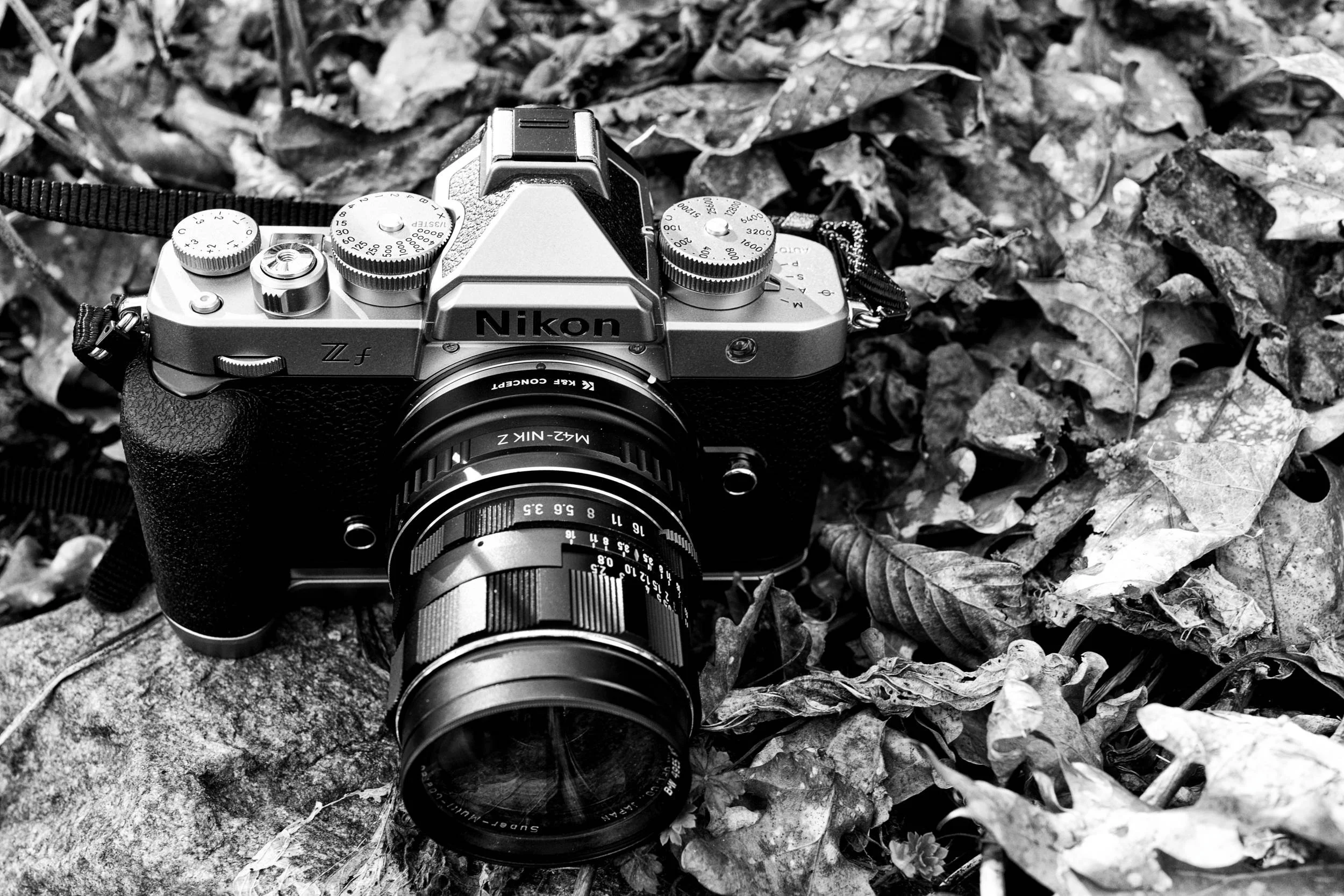
Asahi Takumar f/3.5 28mm SMC on the Nikon Zf
I was really glad to have the weather-sealed Nikon Zf with me. The Asahi Takumar itself is not splash-resistant, so I tried to expose it to the rain as little as possible. It comes from an era when weather sealing wasn’t yet a consideration in lens design. There are no gaskets or seals against dust or moisture. In a sudden downpour, it should disappear into the bag or under your jacket as quickly as possible.
The Asahi Pentax Takumar 28mm f/3.5 is a mechanical masterpiece. Anyone who wants to fully enjoy the charm of vintage lenses from decades past can hardly avoid this Takumar. This wide-angle lens, produced in various iterations mainly from 1966 to around 1975, is considered by enthusiasts to be a prime example of Japanese engineering excellence during the M42 era. Especially the later SMC (Super-Multi-Coated) versions set standards at the time: thanks to an innovative 7-layer multi-coating, Asahi Pentax managed to minimize flare and ghosting so effectively that the contrast performance still impresses on modern sensors today.
Unfortunately, with the rainy, dull weather, I wasn’t able to take many shots and couldn’t test the lens as thoroughly as I had originally planned.
In terms of handling, the lens feels like a little tank. It’s entirely made of metal and glass, and the focus ring has that silky-smooth resistance you’ll search for in vain on modern autofocus lenses. While its maximum aperture of f/3.5 isn’t particularly fast, it already delivers remarkable sharpness into the corners even wide open.
Here are some sample shots. I captured all photos in RAW format (using the Nikon Zf’s black-and-white mode for the live view/preview, although the actual RAW files are still in full color). Afterwards, I converted and processed every RAW file in DxO PhotoLab using Nik Silver Efex Pro to create the black-and-white versions. During post-processing, I individually adjusted contrast, style, and exposure for each image to achieve the desired look. The vignettes you see are not produced by the lens itself - they were added in Silver Efex, just like the graduated neutral density (gray gradient) filters I applied in some shots.
So these are not straight “out-of-camera” images! They have received deliberate post-processing to enhance the mood and composition.
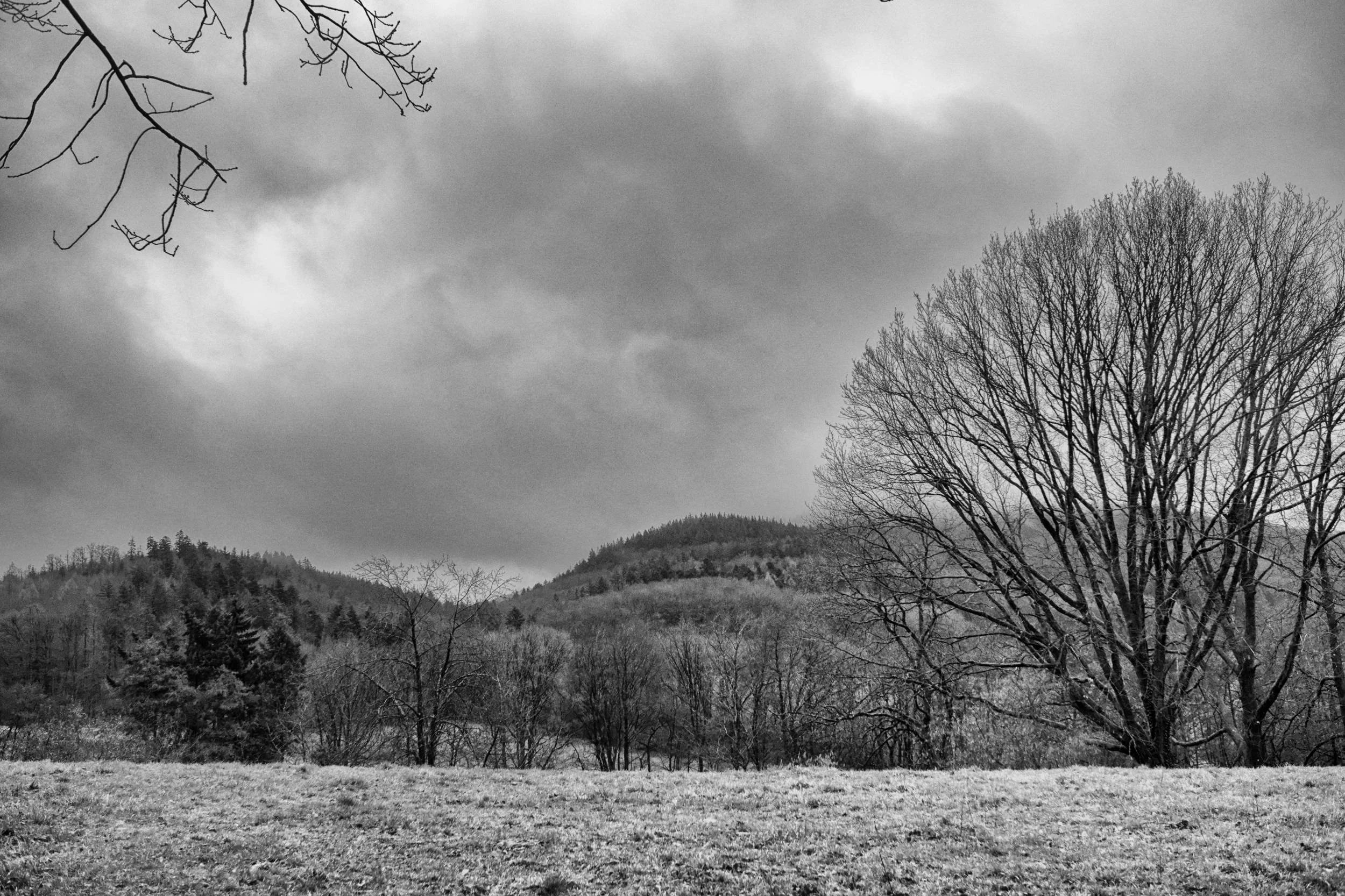
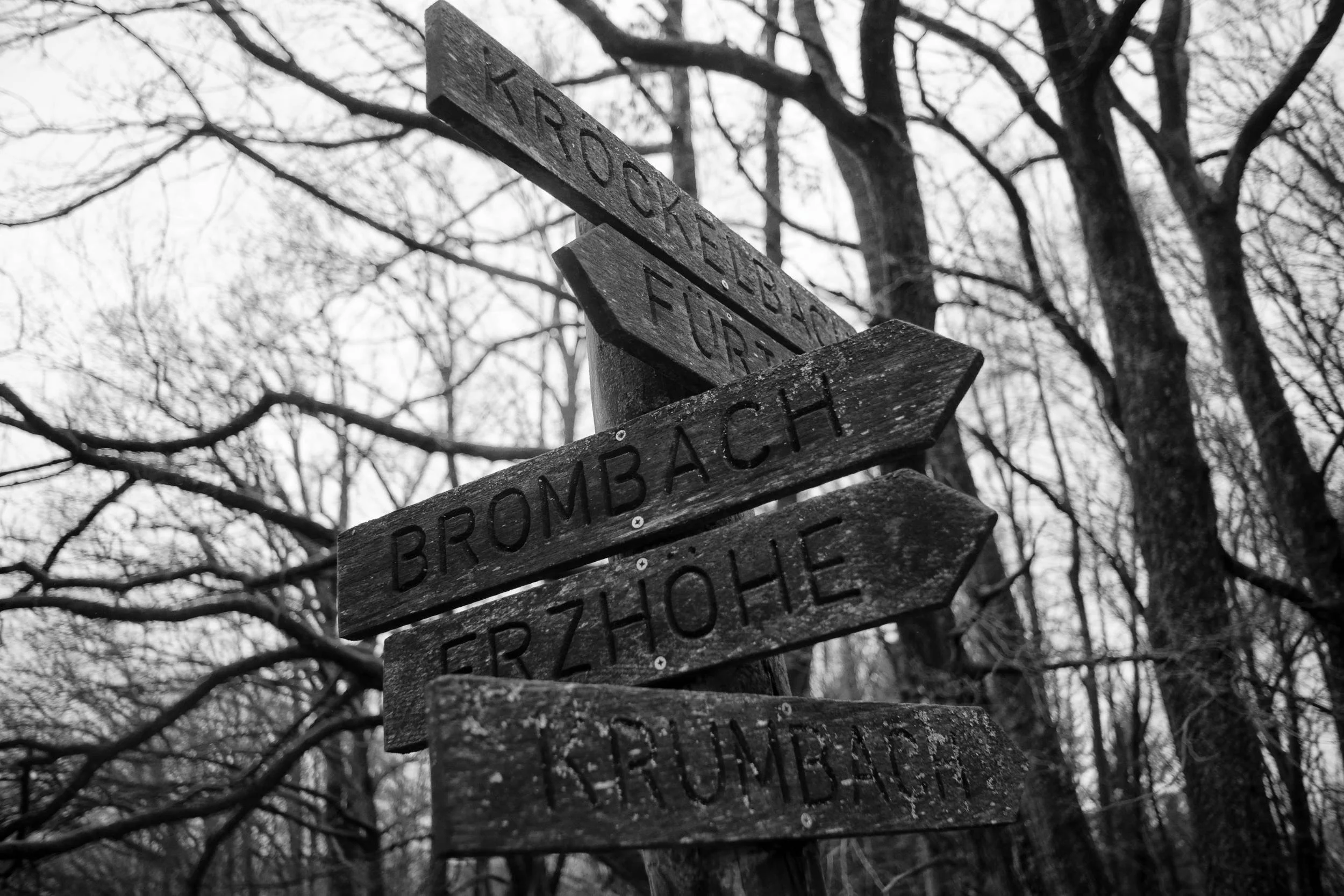
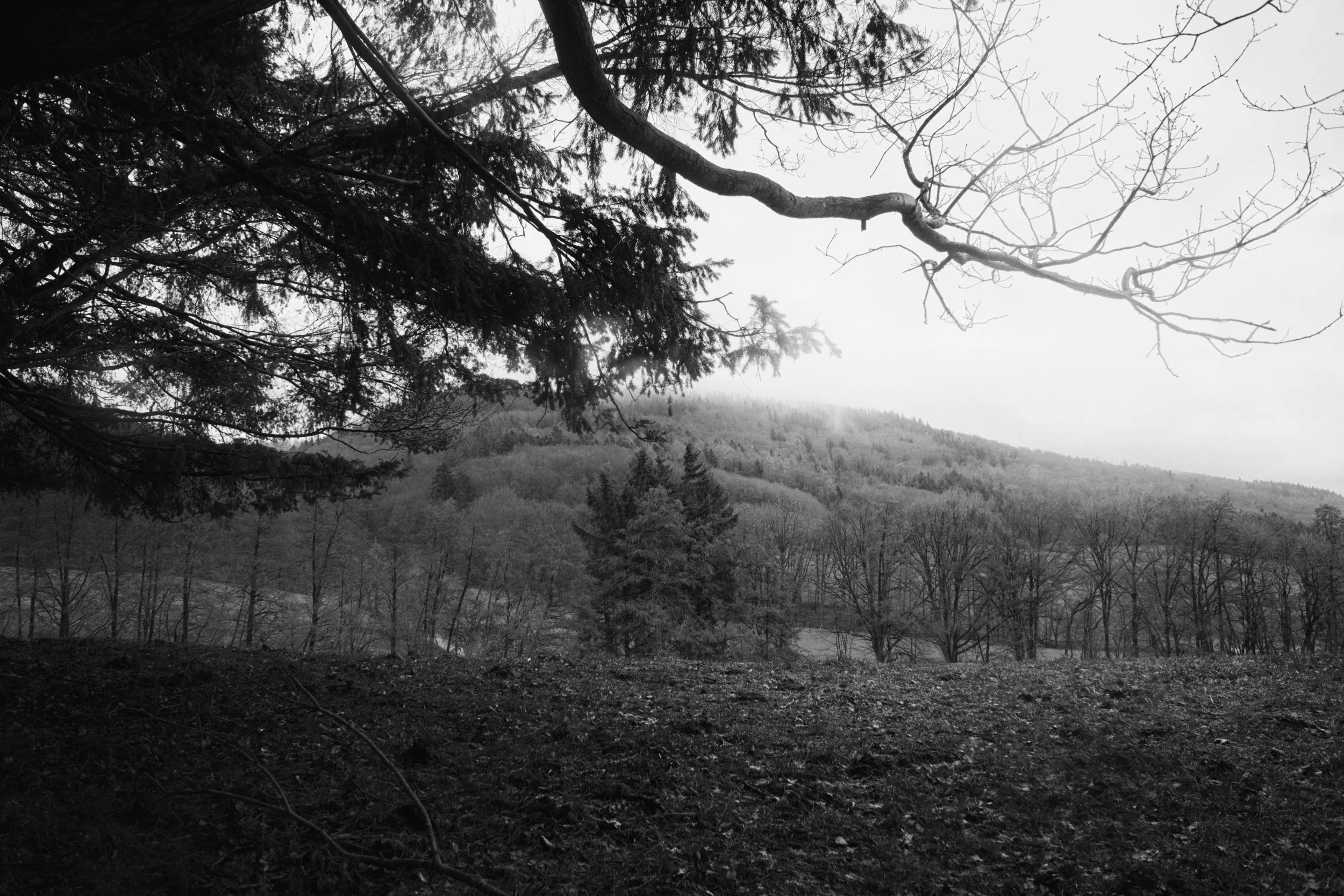
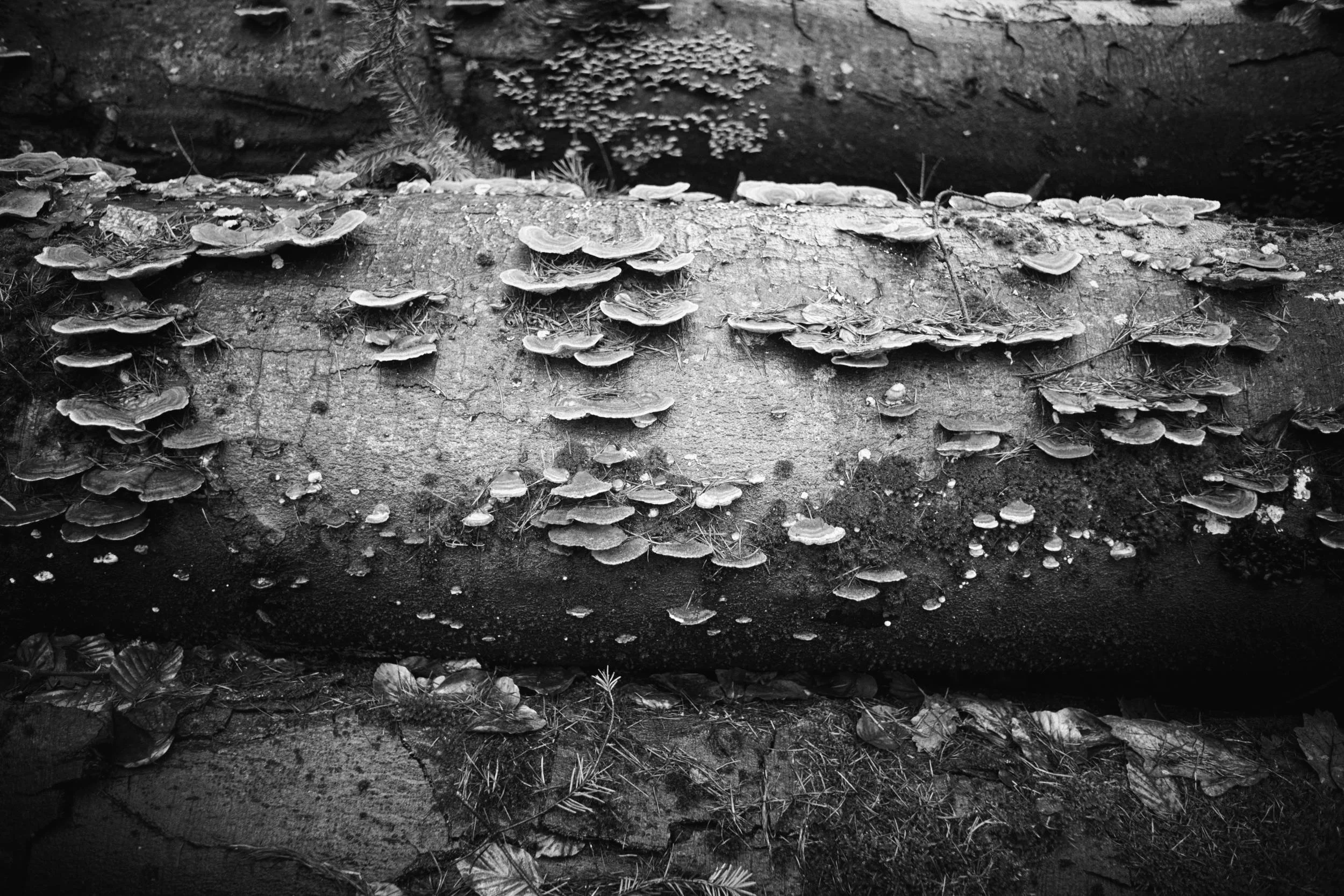
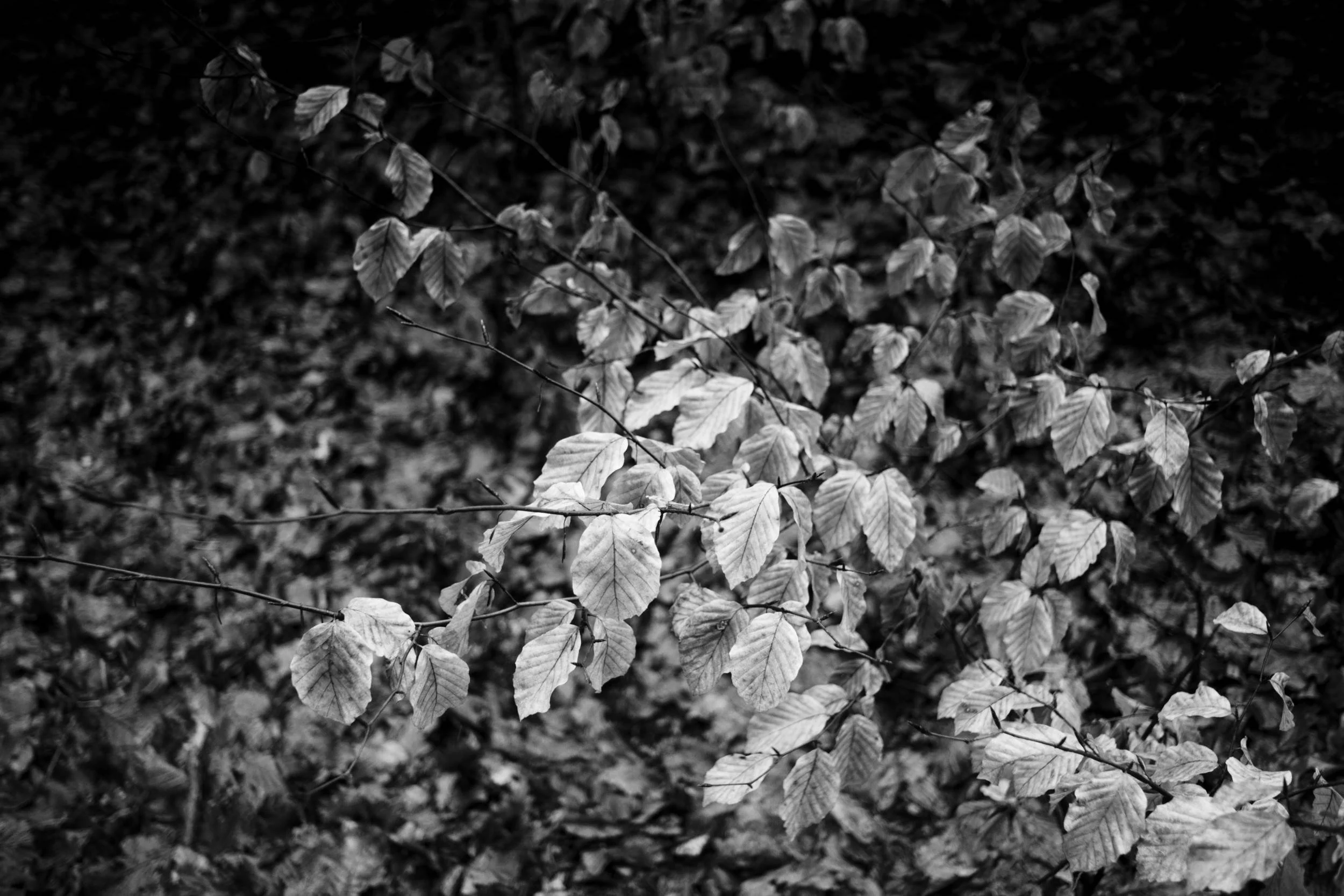
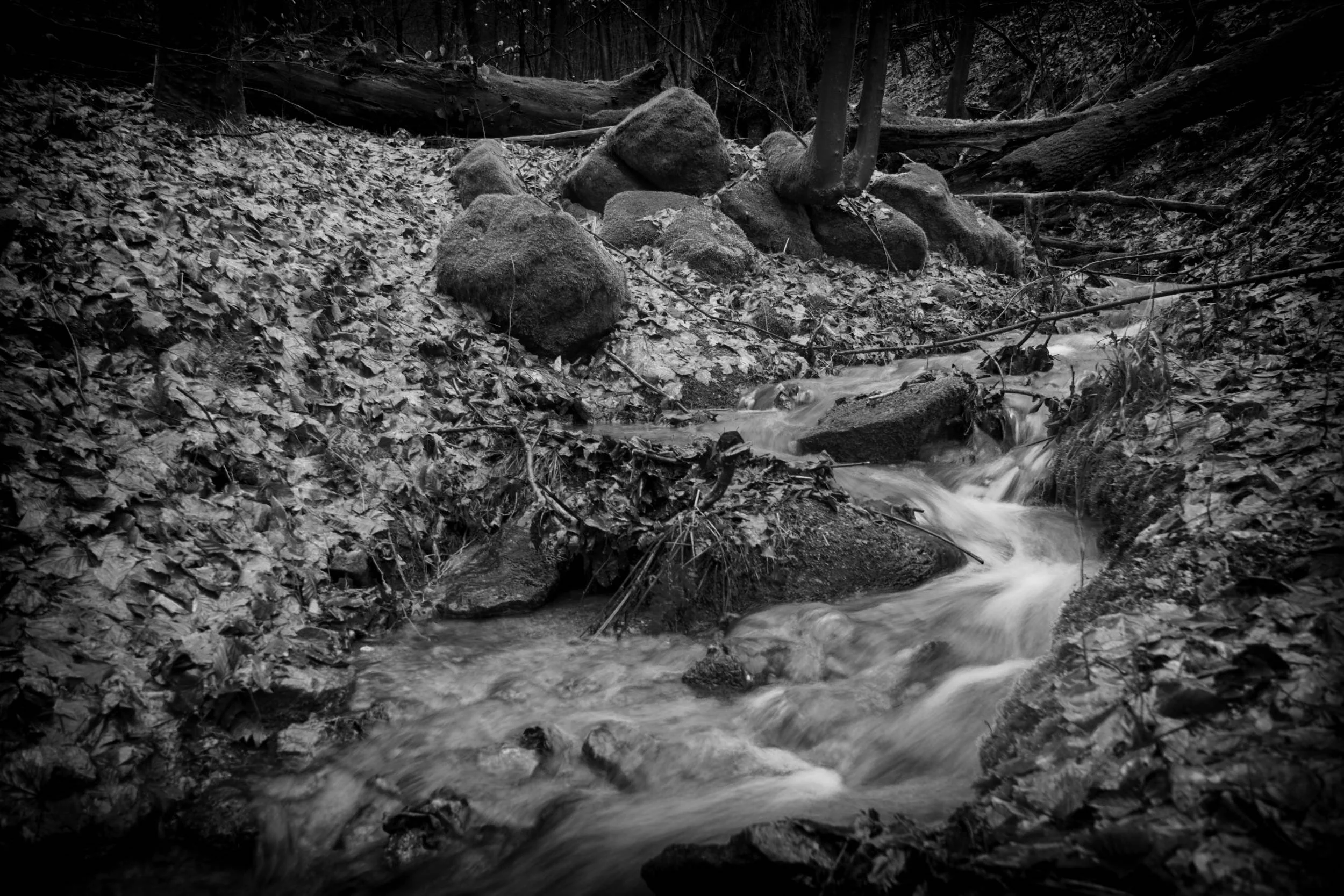
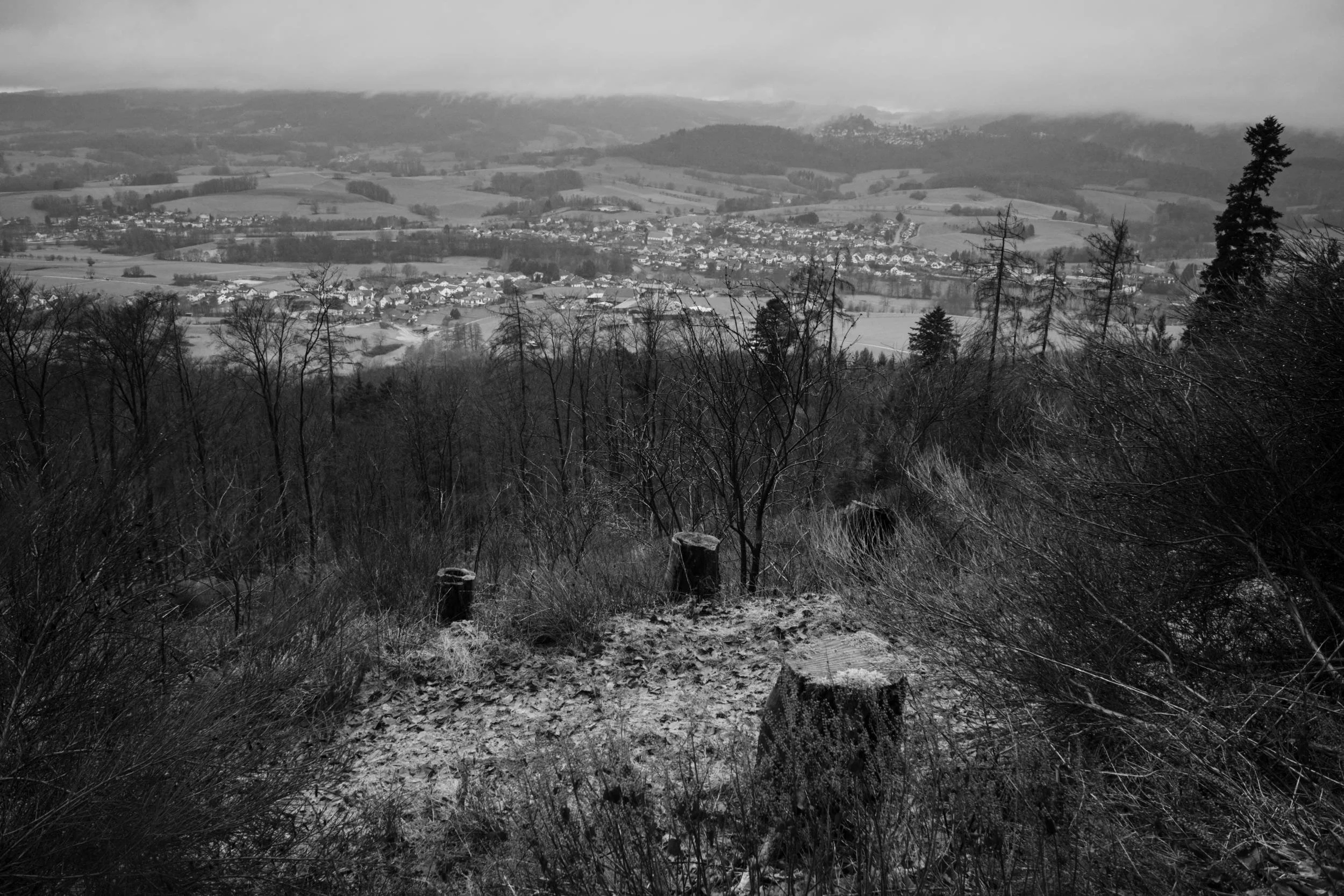
All shots were taken handheld at ISO 1600 without a tripod. The landscape photos were shot at aperture f/8, the close-up images of path signs and leaves were taken wide open at f/3.5, and the stream/running water shot was captured at f/8 with a 1/3-second shutter speed.
